How It Works
Three messages.
A complete audit.
You send a photo. We read every line. You get a breakdown of what is fair and what is not, backed by government data rather than guesswork.
Step by Step
What happens after you message us.
Every audit follows this process. Currently human-reviewed for accuracy. AI engine coming soon.
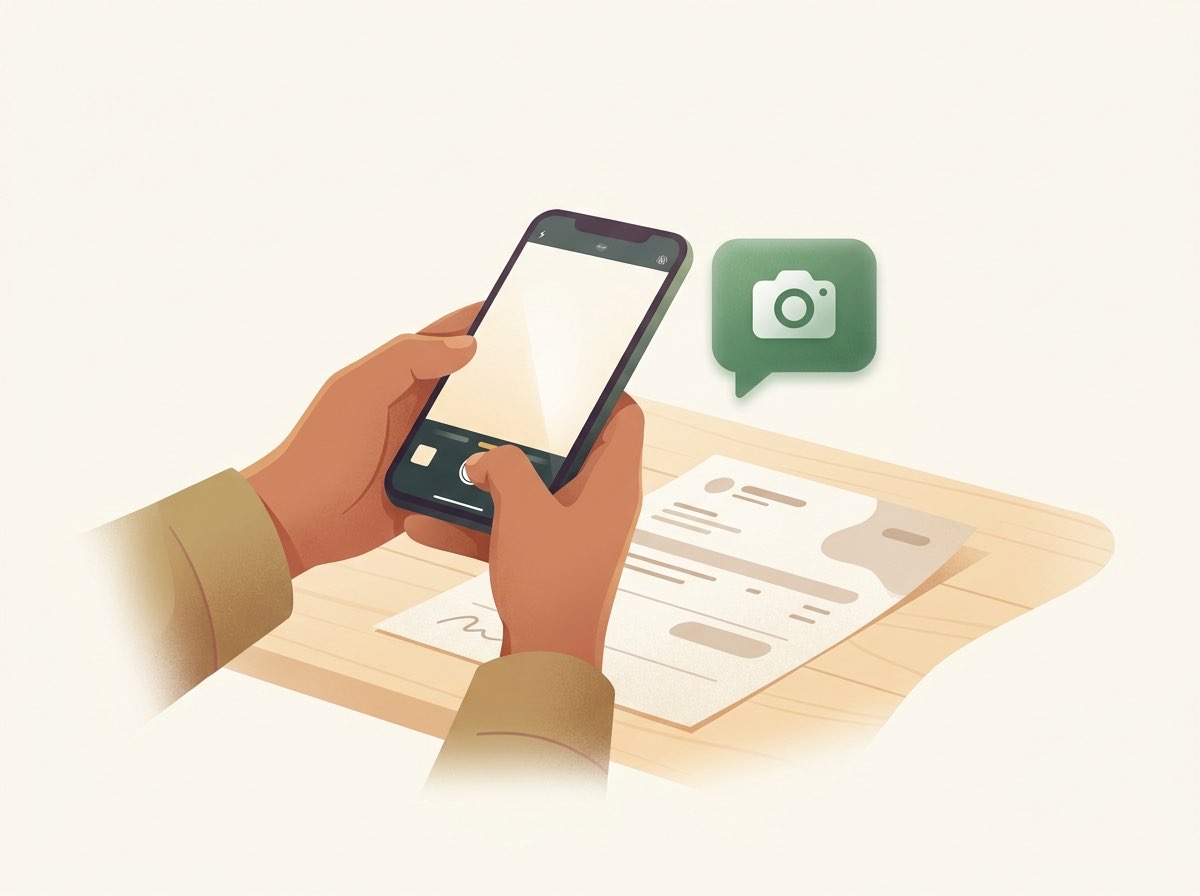
Send your bill photo on WhatsApp
Tap the WhatsApp button below and send a photo of your hospital bill. That is all we need to get started.
We read every line item
Your bill is carefully parsed. Every procedure, medicine, consumable, room charge, and doctor fee is identified and categorised.
Compare against government benchmarks
Each line item is cross-referenced against five official rate databases. We find the closest match and calculate the gap between what you were charged and what the government says is fair.
Generate your audit report
You receive an item-by-item breakdown showing exactly where you have been overcharged, and by how much.
Produce your dispute letter
A ready-to-use letter addressed to the hospital billing department, citing specific regulations, rate references, and the exact items in dispute. Print it or forward it.
Your Deliverables
Everything you need to challenge your bill.
After the audit, you walk away with the documents you need to challenge the bill yourself — not just information, but the artefacts you can hand over.
Detailed audit breakdown
Item-by-item analysis. Every charge on your bill checked, with clear pass/flag/fail status and the reasoning behind each.
Government rate references
The exact source, notification number, and page reference for each benchmark rate cited. Verifiable and official.
Total overcharge amount
One clear number: the total excess you were charged above government benchmarks. Use it in conversation, in writing, or in court.
Dispute letter
Tailored to your specific bill. Addressed to the hospital. Cites regulations by name. Ready to print, email, or hand over at the billing counter.
Negotiation talking points
What to say, what not to say, and how to frame the conversation. Written for real people having a real conversation at a hospital desk.
Escalation guidance
If the hospital does not cooperate: step-by-step instructions for filing with Consumer Forum, IRDAI (for insurance cases), or your state health authority.
How your report is organised
Findings are grouped by how strong the evidence is — so you know what to challenge first and what each item can realistically achieve:
- Billing errors — duplicates, wrong quantities, charges for days you weren't admitted. The bill contradicts itself; hospitals usually correct these at the billing desk.
- Pricing-rule issues — medicines above MRP, devices above the NPPA ceiling, items billed separately that your package or the IRDAI rules already cover. These break binding rules, not just benchmarks.
- Above reference rates — charges well above CGHS, PMJAY, or the hospital's own displayed tariff. These are reference comparisons, not legal price ceilings — they support your case at a consumer forum rather than force a correction on the spot.
- Ask your doctor — anything that needs clinical judgment. We flag it; we never decide whether a treatment was necessary.
You get a plain-language summary on WhatsApp, plus a detailed annexure — every flagged item with the exact amounts, the rate it was compared against, the source of that rate, and possible legitimate explanations — ready to hand to the billing desk or attach to a complaint.
Setting Expectations
What we do — and what stays with you.
BillOkay is an audit and documentation service, not a representative. We find the faults and prepare the paperwork. Acting on it is yours — and that is deliberate: a dispute carries more weight when it comes from the patient directly.
What BillOkay does
- Identify faults in the bill — line items above benchmark rates, duplicates, non-payable items, MRP violations, package double-billing.
- Provide the documents — the audit report with rupee-level findings, government rate references, and ready-to-send dispute letters populated with your numbers.
- Give broad guidance on next steps — which body typically handles which kind of problem, in what order, with what evidence.
What stays with you
- Speaking to the hospital — we do not contact, negotiate with, or represent you before any hospital, insurer, or authority. Letters go out under your name, sent by you.
- Filing complaints and attending proceedings — consumer forum filings, ombudsman complaints, and any hearings are done by you (or an advocate you engage).
- Judging what fits your situation — our guidance is general. What actually works depends on your state's laws, the type of hospital, how you paid (cash, cashless, reimbursement, government scheme), the amounts involved, and other specifics only you can weigh. Where the stakes are high, take professional advice.
Questions About the Process
Common questions.
Will BillOkay talk to the hospital or file complaints for me?
No. We identify the faults in your bill, prepare the documents, and give you broad guidance on next steps — but we do not contact hospitals, insurers, or authorities on your behalf, and we do not represent you in any proceeding. You send the letters and make the filings yourself. This is deliberate: disputes carry more weight coming from the patient directly, and what works in your case depends on specifics only you can judge — your state's rules, the hospital type, how you paid, and the amounts at stake.
How long does the audit take?
Most audits are completed within 2-4 hours during business hours. Complex bills (ICU stays, multi-department surgeries) may take up to 24 hours. We will message you on WhatsApp the moment your report is ready.
What if my bill is handwritten?
Yes, we accept handwritten bills — with a caveat. Handwriting varies enormously, so turnaround time may be longer and we cannot assure the same completeness as with printed bills: some items may be unreadable even on a good photo. We will do our best, flag anything we could not read rather than guess, and ask you to confirm unclear items on WhatsApp. A well-lit, straight-on photo helps a lot; if the hospital can give you a printed itemised bill, that is always the better starting point.
Do you handle insurance bills (cashless or reimbursement)?
Yes. For insurance bills, we check two things: (1) whether the hospital overcharged relative to government benchmarks, and (2) whether items billed to you (deductions, non-payables, co-pay calculations) are legitimate. Send us both the hospital bill and the insurance settlement letter if you have one.
What about old bills? Is there a time limit?
We can audit bills of any age. However, for dispute purposes, the Consumer Protection Act allows complaints within 2 years of the date of service. Older bills can still be audited for your records, but negotiation leverage decreases with time.
Is my health data safe?
We are DPDP Act 2023 compliant. Your bill images are encrypted, processed on Indian infrastructure, and automatically deleted after the audit is delivered. We never share your data with third parties. You can request deletion of all your data at any time.
What does it cost?
During launch, BillOkay is not charging anything. Every bill is personally reviewed by our team, one-on-one via WhatsApp. We are building this to help families first. Pricing will be announced later.
What if no overcharges are found?
Then you get peace of mind. We will tell you your bill looks fair relative to government benchmarks. No pressure, no upsell. You still receive a summary of what we checked and why it passed.
Ready to find out if your bill is fair?
Send your hospital bill on WhatsApp. You will hear back with a full audit, typically within hours.
Message Us on WhatsApp